
Trusted Filters
Who are YOU going to trust?
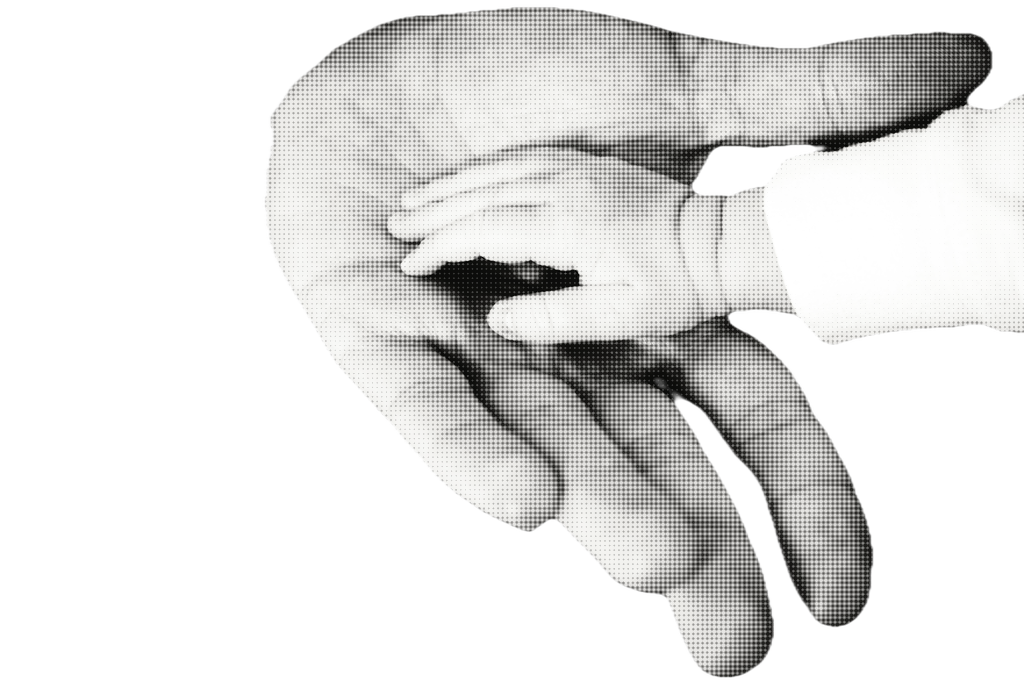
There is just too much information in the universe — too much to know, too much to see, too much to do — for one person to experience even a small fraction of it it all first hand. To handle our lack of omniscience humans have always turned to the people around us to help sift through and synthesize data (turning information into knowledge) and to help us learn what’s going on (turn knowledge into understanding).
We have always relied on our trusted filters.
At every major shift in the way technology is used to transmit information, we see a parallel shift in not only who our trusted filters are, but also the very nature of what it means to be a trusted filter.
With the rise of the Internet, and the shift away from the one-to-many paradigm of trusted filters to a many-to-many paradigm, some alarmists are sounding the fall of civilization as we know it. However, we must view the period we are in now as one of transition—a transition that may last several decades—and consider it against the background of other significant historical shifts in culture and technology. Doing so, you’ll realize that the future of communication, knowledge, and understanding our children will know will be nothing like what we know today, even for the so-called digital natives.
The Internet is precipitating the greatest shift in what it means to be a trusted filter since the invention of the printing press, and possibly the greatest shift ever. Where once, the filters where “big media” companies, now anyone with a computer and a decent Internet connection can set up shop. Is this diversity of voices a positive change, and can we even judge at this point in time whether this change will be for better or worse?