
AI Can Not be Creative
But it can help humans express their creativity
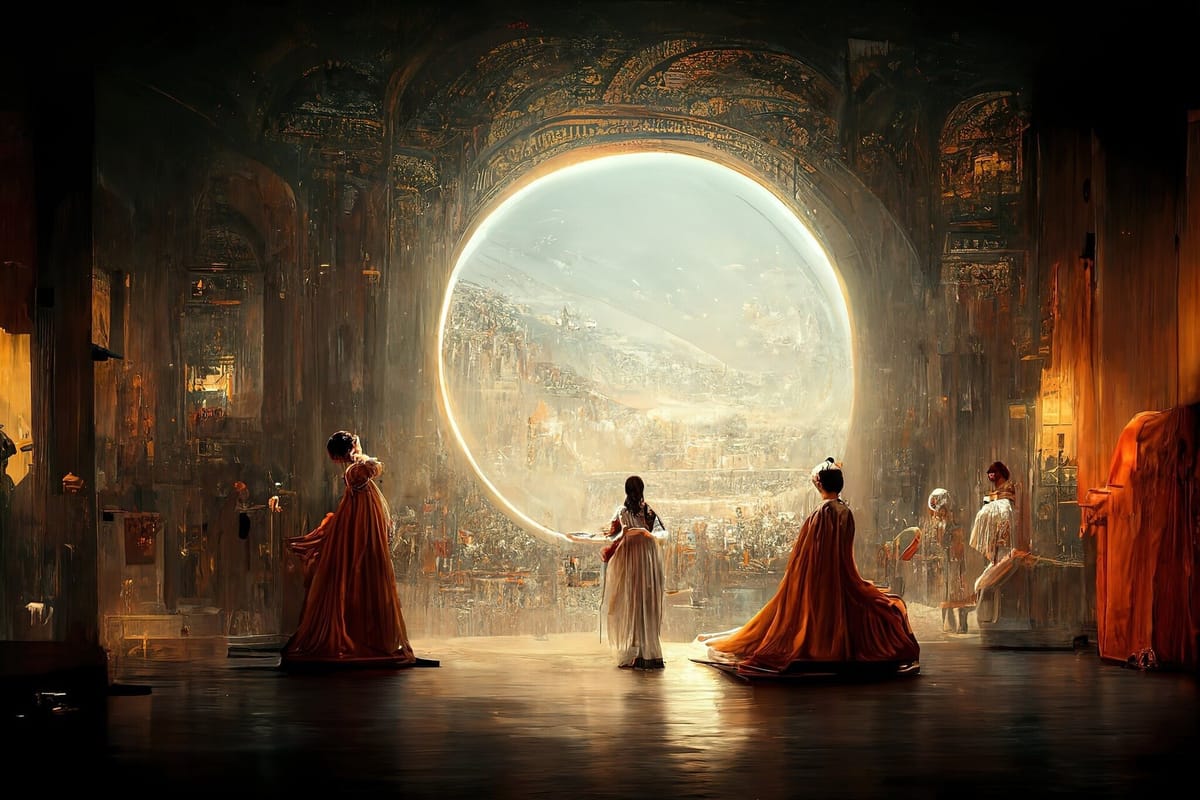
Consider this image:
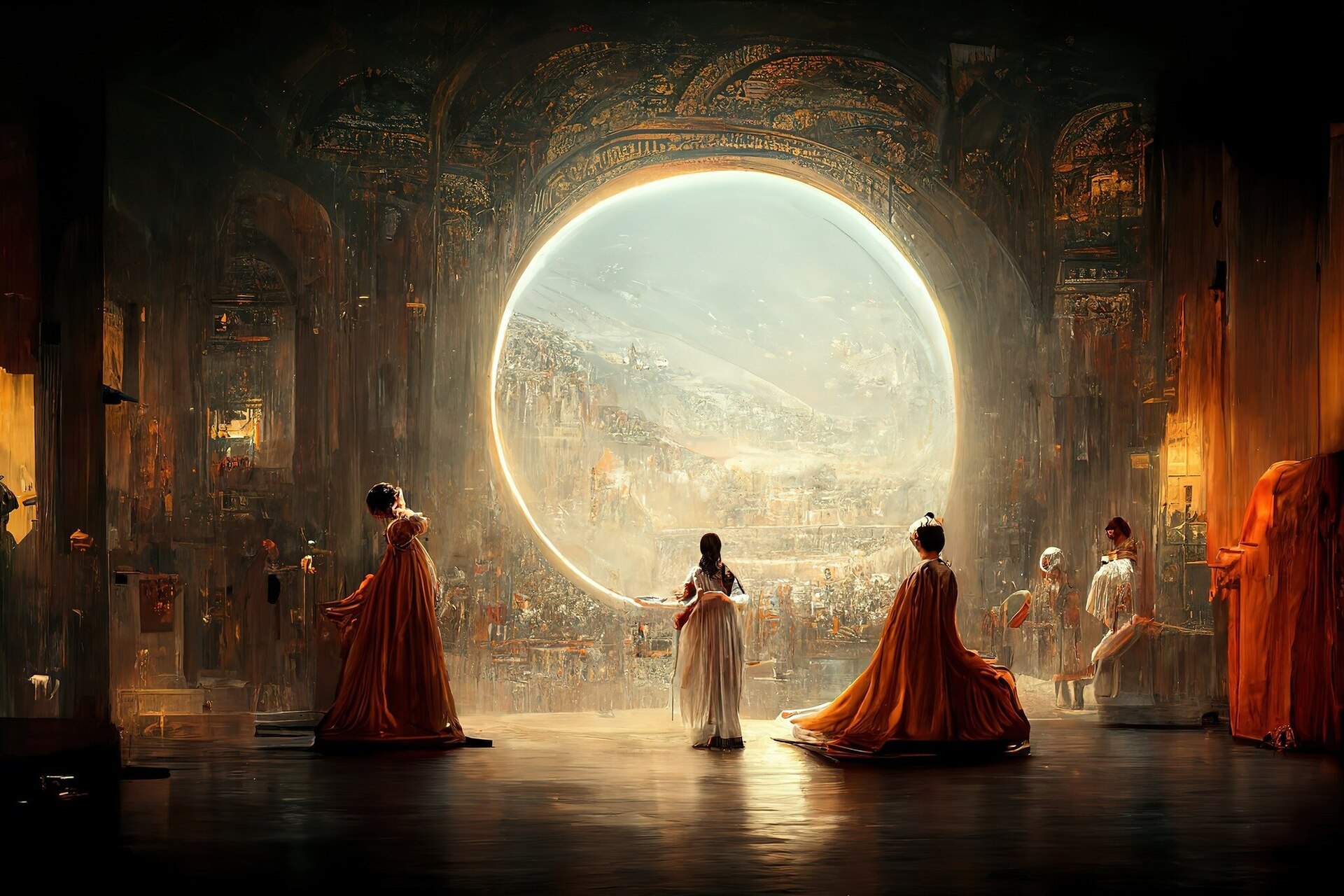
It is titled Théâtre D’opéra Spatial, and it won first place at the Colorado State Fair Fine Arts Competition in 2022. Unbeknownst to the judges, however, it was partially generated by an Artificial Intelligence.
Is this an example of creativity?
Yes, BUT the creativity was not on the part of the AI, rather of the human coder.
The coder, Jason M. Allen, used Midjourney— a commercially available image synthesis model — to create a series of three images. He then upscaled them, printed them on canvas, and submitted them to the competition. Thus, he is the one who set the creation of this image into motion — the prime mover — regardless of the tool used to create it. This is as true as if he had used Photoshop and placed every pixel “manually” or taken a paint brush to canvas.
Don’t confuse creation with creativity.
If you presented this image to a computer and asked it the simple question “What do you think?”, it could tell you all sorts of things about the image (color palette, medium, comparisons to similar artists, symbolism used, and even what humans might think about it) but no computer can — and I don’t believe ever will — be able to sincerely tell you what the image makes it “think”, at least not in any way that a human could understand or relate to.
To be creative, you have to able to appreciate the meaning of what you have created.
What does that have to do with creativity? Creativity is not what you make. It’s not based on how skilled you may be in using perspective in drawing or color in a painting. Creativity is our ability to envision novel solutions to achieve desired outcomes, not the outcomes themselves. Creativity requires a number of very human properties that can not be replicated programmatically in code.
The most critical aspect of the human creative ability is the desire to create. It is this desire that makes us ask questions, try different ideas, and take risks. Finally, creativity requires appreciation. That is, to be creative, you have to able to appreciate the meaning of what you have created.
The desire to create and appreciate a creation appears to be a uniquely human attribute or, at the very least, an attribute unique to biological life as it gains self-awareness. Artificial Intelligence will never be able to desire to create or appreciate anything it has “created”.
As BBC Radio 6 DJ Marc Riley put it:
When was the last time an algorithm welled up when it played the perfect record?
Hmmm… let me think…
AI is a tool that can help with human creative expression, but we fool ourselves when we anthropomorphize AI as an independent entity capable of being creative.